

So, what are liquid mineral supplements?
In simple terms, they are essential minerals dissolved in a liquid, ready for your body to absorb them almost instantly. Unlike a traditional pill that has to be broken down first, these supplements give nutrients a VIP pass directly to your cells.
Why Bother With Liquid Minerals?
Walking down the supplement aisle can feel like a pop quiz you didn't study for. There are endless bottles of pills, capsules, and powders all vying for your attention. Amidst the confusion, a growing number of people are choosing liquid minerals for a simpler, more direct path to better nutrition.
But what really sets this format apart? The magic is in how your body handles them.
Think of it like this: your cells have tiny, specific locks, and minerals are the keys needed to unlock countless functions, from creating energy to building strong bones.
The Lock and Key Difference
A standard mineral pill is like a key blank. Your digestive system has to play locksmith, spending time and energy cutting and shaping that blank. It has to break down binders, fillers, and compressed powders before the key even starts to look right for the lock. It’s an inefficient process, and a good chunk of the "key" often gets lost along the way.
Liquid mineral supplements, on the other hand, are like a perfectly cut key, ready to go. The minerals are already dissolved, often in an ionic state—meaning they are tiny, electrically charged particles just floating in the liquid. This form completely sidesteps the heavy lifting your digestive system has to do for a solid pill.
Because they don’t need to be broken down, liquid minerals can be absorbed directly into your bloodstream through the lining of your stomach and small intestine. It's a far more efficient pathway to your cells.
This isn't just a nice-to-have benefit; it's a real shift in what people are looking for in their supplements.
A Market That’s Taking Notice
You can see this change in the numbers. The global market for liquid dietary supplements was valued at USD 23.0 billion and is expected to more than double to around USD 56.0 billion by 2034. That’s a powerful compound annual growth rate of 9.3%, which clearly shows people want supplements that are easier to use and absorb better. If you're curious, you can explore more data on this expanding market to see the trend for yourself.
Choosing a liquid format is really about choosing efficiency. It’s a decision to give your body essential nutrients in a form it can actually use, minimizing waste and maximizing the benefits for everything from your energy levels to your immune system.
How Your Body Absorbs Liquid Minerals vs Pills
When you take a supplement, you expect it to work. But the real story is what happens after you swallow it, and that’s where liquid minerals have a serious leg up. It all boils down to one simple, yet crucial, concept: bioavailability.
Think of bioavailability as the answer to the question, "How much of this is my body actually using?" A supplement is pretty useless if it just passes through your system without ever getting to work.
The Digestive Journey of a Pill
Imagine a traditional mineral pill or capsule is like a locked treasure chest. Inside, you've got the valuable minerals your body is craving, but first, you need to unlock it. That whole unlocking process happens down in your stomach.
Once you swallow a pill, it lands in the harsh, acidic environment of your stomach. Your digestive system has to put in the work, breaking down all the binders, fillers, and compressed powders holding the pill together. Only after all that grinding and churning can the mineral be released and, hopefully, absorbed.
This process takes time and a lot of digestive energy. For some of us, especially older adults or anyone with a sensitive gut, the breakdown is often incomplete. That means a good chunk of the mineral content might never even become available to your body, getting flushed out as waste.
This infographic gives you a visual of the tough journey a pill takes before your body can even think about using what's inside.
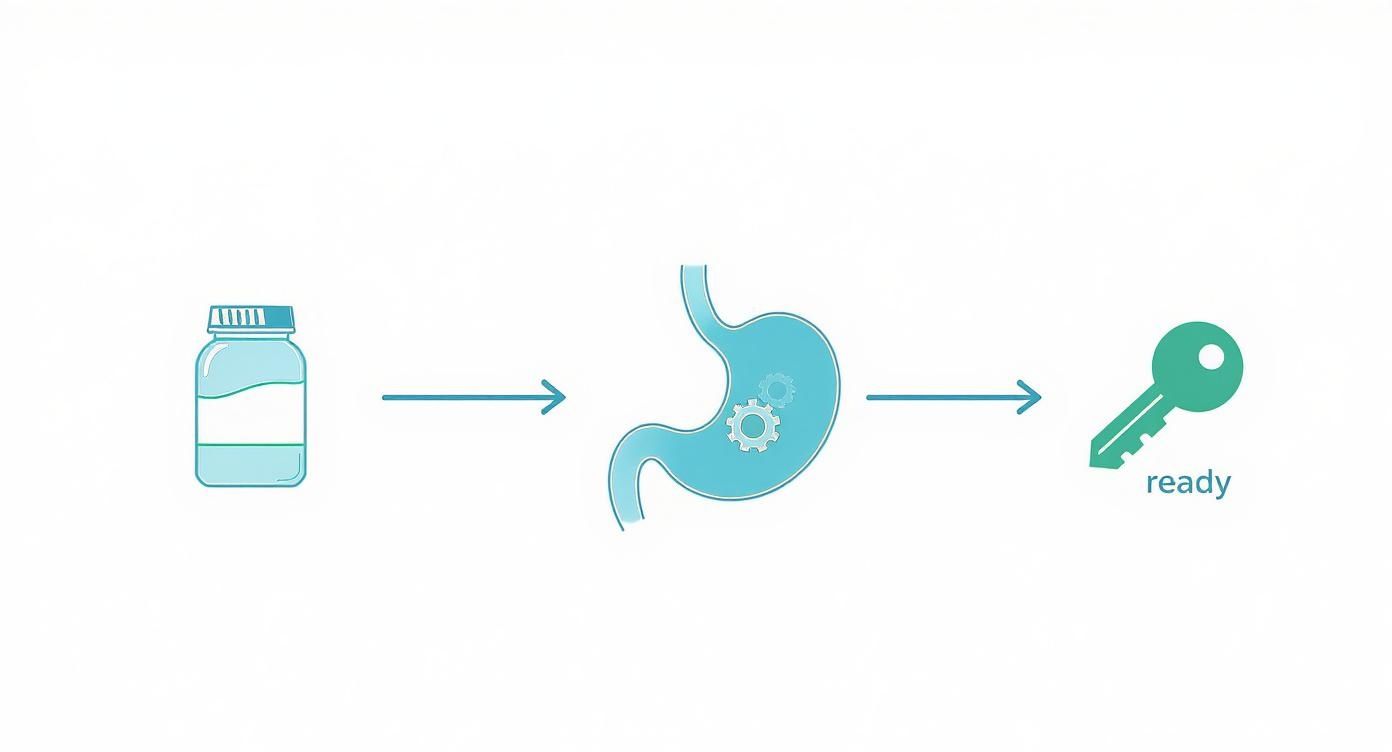
As you can see, a solid supplement demands a multi-step digestive ordeal just to get the minerals prepped for your cells.
The Liquid Advantage: Ionic and Colloidal Minerals
Liquid mineral supplements get to skip this entire breakdown phase. The minerals are already suspended in liquid, often in a form that’s primed and ready for your body to absorb immediately. You'll typically see two common forms: ionic and colloidal.
-
Ionic Minerals: These are minerals that are fully dissolved in water and carry a tiny electrical charge. They’re basically individual atoms, making them so small that the cells lining your gut can absorb them directly into the bloodstream with almost no effort.
-
Colloidal Minerals: These are slightly larger particles that are suspended—not dissolved—in the liquid. They’re still microscopic and held in a stable form that prevents them from clumping together, which also makes for easy absorption.
Because these minerals are already in a bioavailable state, your body doesn't have to work hard at all. Absorption starts almost instantly in the stomach and continues right into the small intestine.
The real beauty of liquid minerals is their incredible absorption rate. Your digestive system is spared the tough job of breaking down a solid pill, so more of the good stuff gets into your system, fast.
A Sprinter vs. a Marathon Runner
Let's use an analogy. Imagine your bloodstream is the finish line of a race.
A liquid mineral supplement is the sprinter. It’s already on the starting block, ready to bolt the second it hits your stomach. It takes off at full speed and reaches the finish line quickly and efficiently.
A pill, on the other hand, is the marathon runner who first has to tackle a brutal obstacle course just to get to the starting line. It has to fight through the digestive tract, breaking down binders and fillers along the way. By the time it’s ready to even start the race, it has already burned a ton of energy, and parts of it might not have even made it to the starting block.
To help visualize this, here’s a quick breakdown of how the two stack up.
Comparing Liquid and Pill Supplement Absorption
| Attribute | Liquid Mineral Supplements | Pill and Capsule Supplements |
|---|---|---|
| Digestion | No breakdown required. Minerals are already in a bioavailable form. | Must be broken down by stomach acid and enzymes first. |
| Absorption Speed | Fast. Begins almost immediately in the stomach and small intestine. | Slower. Absorption can only start after the pill is fully digested. |
| Bioavailability | High. More of the mineral is absorbed and used by the body. | Variable. Can be lower due to incomplete digestion or binders. |
| Ease of Use | Easier to swallow, especially for children or older adults. | Can be difficult to swallow for some people. |
This difference in speed and efficiency is why so many people report feeling the effects of liquid supplements more quickly. Less is wasted, and more of those essential nutrients get to where they need to go, making them a seriously powerful choice.
Understanding Key Minerals and Their Roles
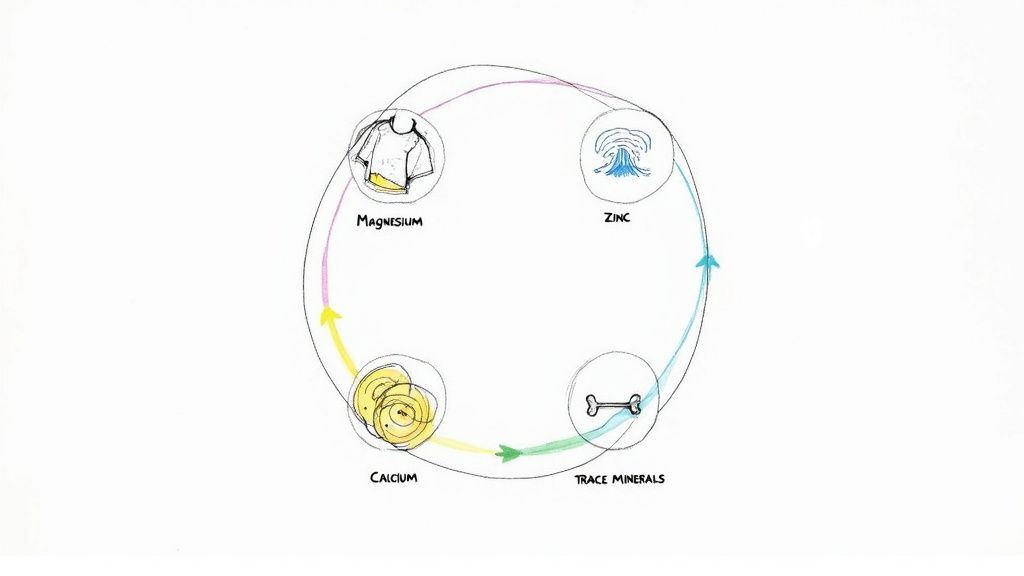
To really get what liquid mineral supplements can do for you, we need to look past the bottle and understand the specific jobs these nutrients handle. Minerals are the unsung heroes of our biology. Think of them as the tiny sparks that ignite thousands of critical processes every single second. They’re the fundamental building blocks for everything from strong bones to a steady heartbeat.
Let's pull back the curtain on some of the key players you’ll find in a good full-spectrum liquid mineral formula. We'll touch on both the macrominerals you need in larger amounts and the trace minerals that pack a punch in smaller doses.
The Macromineral Powerhouses
Macrominerals are the heavy lifters in the mineral world. Your body needs a fair amount of them just to keep things running smoothly and maintain its structure. If your body were a building, these would be the main support pillars holding everything up.
Here are a few of the big ones and what they do:
- Magnesium: This is the ultimate relaxation mineral, involved in over 300 different biochemical reactions. It helps calm your nervous system, eases muscle tension, keeps blood sugar in check, and promotes a healthy sleep cycle.
- Calcium: Famous for its role in bone health, but that’s not all it does. Calcium is also critical for muscle contractions, nerve signals, and even blood clotting. How it works with other minerals is key.
- Potassium: This is a primary electrolyte that partners with sodium to manage fluid balance in and around your cells. It's vital for healthy blood pressure, nerve function, and keeping muscle cramps at bay.
- Sodium: It often gets a bad rap, but sodium is another crucial electrolyte. It’s essential for managing fluid levels, firing nerve impulses, and making muscles work. The secret isn't cutting it out completely, but finding the right balance.
These minerals don't work alone. They operate in a delicate, interconnected web where one mineral can directly influence how another is absorbed and used. This is what we call mineral synergy.
Mineral Synergy Explained: Think of minerals like members of a symphony orchestra. Calcium might be the violins and magnesium the cellos. Each sounds fine on its own, but they create something truly powerful when they play together in harmony.
Taking a huge dose of one mineral without its partners can throw the whole system out of tune. For example, high calcium intake needs enough magnesium to make sure it ends up in your bones instead of your soft tissues. This is exactly why a balanced, full-spectrum liquid mineral supplement often works better than just zeroing in on a single nutrient.
The Mighty Trace Minerals
You need trace minerals in much smaller amounts, but don't let their size fool you—they are no less important. They often act as catalysts, helping other processes happen more efficiently. Imagine them as the specialized tools in a mechanic's toolbox; you don't need them for every job, but some tasks are impossible without them.
Here are some of the most important trace minerals:
- Zinc: A true cornerstone of the immune system. Zinc is vital for healing wounds, growing new cells, and even for your sense of taste and smell. It’s a frontline defender for your body.
- Iron: As the main component of hemoglobin in your red blood cells, iron is in charge of carrying oxygen from your lungs to every cell in your body. Low levels can leave you feeling tired and weak.
- Selenium: This mineral is a powerful antioxidant, protecting your cells from damage. It’s also crucial for a healthy thyroid and reproductive system.
- Copper: Working closely with iron, copper helps form red blood cells and assists with iron absorption. It’s also essential for maintaining healthy bones, nerves, and blood vessels. For those wanting to support their skeleton, learning how to improve bone density naturally can shed more light on how these minerals work together.
- Manganese: This mineral is a key player in forming bones, clotting blood, and reducing inflammation. It also helps activate enzymes needed to process carbs, amino acids, and cholesterol.
Why Balance Is Everything
The intricate dance between all these minerals highlights a crucial point: more isn't always better. A supplement's effectiveness isn't just about how much of one ingredient it has, but about the thoughtful formulation of the entire blend.
A well-designed liquid mineral supplement gives you a wide array of these essential nutrients in balanced ratios. This holistic approach ensures your body gets the synergistic support it needs to function at its best, from the foundational strength of macrominerals to the specialized tasks of trace minerals.
While just about anyone can benefit from fine-tuning their mineral intake, for some people, liquid mineral supplements aren't just a preference—they're a total game-changer. For these groups, the high absorption and gentle nature of a liquid formula can solve very specific challenges, making a simple supplement a powerful tool for their health.
The difference is most dramatic for anyone whose body struggles with the tough digestive work required to break down solid pills. When your absorption is already compromised, you need every nutrient to count, and the ready-to-use form of liquid minerals means less of it goes to waste.
Older Adults with Changing Digestive Health
As we get older, our bodies naturally start producing less stomach acid. This condition, known as hypochlorhydria, makes it much harder to break down and pull nutrients out of food—and especially out of dense, solid pills.
This creates a double-whammy for older adults. Swallowing large capsules can be difficult, and even when they manage it, their digestive systems aren't as good at extracting the minerals inside. Liquid minerals sidestep this problem completely. They offer a gentle, easy-to-swallow solution that demands very little digestive effort to get maximum absorption.
This means essential minerals like magnesium for muscle health and calcium for bone strength are far more likely to get where they need to go, supporting vitality and strength as the body ages.
This isn't just a local issue; it's a global one. As lifestyles change worldwide, more people are looking for preventative health solutions. The Asia-Pacific region has actually become the largest and fastest-growing market for mineral supplements, largely because consumers are taking a more proactive approach to their health. You can dig into the full research on these global mineral supplement trends to see how things are shifting.
Athletes and Highly Active Individuals
For an athlete, mineral balance isn’t just about long-term health—it’s about performance and recovery right now. When you're pushing your body hard, especially in the heat, you lose a ton of electrolytes like sodium, potassium, and magnesium through sweat.
Getting those minerals back in your system quickly is critical for a few reasons:
- Preventing muscle cramps and making sure your muscles contract properly.
- Staying hydrated by helping your cells hold onto water.
- Fueling energy production to keep you going strong.
Liquid minerals act like a rapid-refueling system. Because they're absorbed almost instantly, they can restore your electrolyte balance much faster than a pill that has to be broken down first. This quick uptake helps athletes bounce back faster and stay at the top of their game.
Individuals with Sensitive Digestive Systems
People dealing with digestive issues like Irritable Bowel Syndrome (IBS), Crohn's, or Celiac disease often fight an uphill battle with nutrient absorption. When the gut lining is inflamed or irritated, it just can't pull nutrients from food and supplements effectively.
Solid pills can make things worse. They often contain binders, fillers, and other additives that can aggravate an already sensitive system. Liquid minerals are a much gentler option. They are usually free of these extras and, since they're already dissolved, they put almost no stress on the digestive tract. For anyone with compromised absorption, the high bioavailability of liquid minerals is a huge win, helping to restore key nutrients like zinc, which is crucial for both gut health and a strong immune system. Getting the right nutrients can also show up in other places, like your nails; you can learn more about the best vitamins for nail growth in our other guide.
How to Choose a High-Quality Liquid Supplement

Navigating the world of liquid mineral supplements can feel a little overwhelming. But once you know what to look for, a few key details on the product label will tell you everything you need to know.
Making an informed choice isn't about finding the flashiest bottle; it’s about understanding what’s inside and how it will actually work for your body.
Think of yourself as a detective looking for clues. A high-quality supplement will always provide a clear trail of evidence pointing to its purity, potency, and smart formulation. Here's how to read any label like a pro and confidently pick a product that delivers.
Decode the Mineral Source and Form
The first clue to a supplement's quality is where the minerals come from. Not all sources are created equal, and the form of the mineral directly impacts how well your body can absorb it.
A great product will be totally transparent about its sourcing. Look for minerals that come from clean, natural origins. Two of the best are:
- Pristine Seawater: Often harvested from protected inland seas, this source provides a full spectrum of over 70 trace minerals in their natural, ionic state—perfectly balanced by nature.
- Ancient Plant Deposits: Also known as fulvic or humic minerals, these are sourced from prehistoric plant matter. They offer a rich blend of trace minerals that your body easily recognizes and can put to work.
Next, check the specific form of the main minerals, like magnesium. You might see names like magnesium citrate, glycinate, or oxide. These aren't just fancy words; they have different absorption rates and benefits. For example, magnesium citrate is highly bioavailable, while magnesium glycinate is prized for its calming properties and how gentle it is on the stomach.
A brand that takes the time to specify its mineral forms shows a deeper level of care and expertise. It's a clear signal that the product was designed for targeted benefits and maximum absorption, not just to check a box on a label.
Scan for Unwanted "Other Ingredients"
Once you've checked the active ingredients, flip the bottle over and scan the "other ingredients" list. This is where you can spot unwanted additives that don't contribute to your health. A truly clean formula should have a very short list here.
Be on the lookout for:
- Artificial Sweeteners: Things like aspartame, sucralose, or saccharin.
- Artificial Colors and Flavors: Often listed as "FD&C Red No. 40" or "natural and artificial flavors."
- Unnecessary Fillers and Binders: While more common in pills, some liquids use thickeners or preservatives that you just don't need.
The goal is to find a supplement that gives you the minerals you need without a cocktail of synthetic chemicals. This is especially important for products like Staye's plant-based collagen booster, where the cleanliness of the formulation is key to helping your body do its thing naturally and effectively.
Verify Third-Party Testing and Certifications
The final piece of the puzzle is proof of purity and potency from an independent source. The supplement industry isn't regulated as tightly as pharmaceuticals, so the best brands voluntarily submit their products for third-party testing to show they're serious about quality.
This verification confirms two critical things:
- Potency: The product contains the exact amount of minerals stated on the label. No more, no less.
- Purity: The product is free from harmful contaminants like heavy metals, pesticides, or microbes.
Look for seals from trusted organizations like NSF International, USP (U.S. Pharmacopeia), or ConsumerLab. These certifications are your assurance that what's on the label is exactly what's in the bottle.
Common Questions About Liquid Minerals
As you start exploring liquid mineral supplements, it's totally normal to have a few questions. Feeling confident about a new addition to your routine means getting clear on what to expect, and this section is here to help with that.
We'll tackle some of the most common queries, from the practical "how-to"s to the "when-will-I-feel-it" excitement. Think of this as your go-to guide for clearing up any confusion, so you can move forward feeling informed and ready.
How Should I Take Liquid Minerals?
One of the best things about liquid minerals is how easy they are to use. You’ve got options, which makes fitting them into your day a breeze. The biggest question we hear is about what you can—and can't—mix them with.
So, can you just drop your liquid minerals into any drink? Pretty much. Most unflavored supplements mix right into your favorite beverages without changing the taste at all. Here are a few great ideas:
- Water: Simple, direct, and gets the job done.
- Juice: A great pick if you want a little flavor with your minerals.
- Smoothies: An effortless way to pack in extra nutrients first thing in the morning.
There is one key thing to remember, though. It’s best to avoid mixing liquid minerals into very hot drinks like coffee or tea. High heat can potentially mess with the ionic structure of the minerals, which might affect how well your body can absorb them. To get the full benefit, just stick to cool or room-temperature liquids. And, as always, give the product label a quick scan for any specific instructions.
What Potential Side Effects Should I Know About?
Safety first, always. The good news is that liquid minerals are generally very safe and well-tolerated when you stick to the recommended dose. Since they are so bioavailable, your body usually puts them to work without much fuss.
If people do experience a side effect, it's most often mild digestive upset. This is usually linked to certain minerals like magnesium, especially if you take a bit too much too quickly. An upset stomach or loose stools can be a signal that your dose is just a little high for your body to handle all at once.
The best way to avoid any digestive issues is to start low and go slow. Begin with a smaller dose than the label suggests and gradually work your way up over a few days. This simple trick gives your body time to adjust and dramatically cuts down the chance of any side effects.
Of course, it's always a good idea to chat with your doctor before starting any new supplement, especially if you have existing health conditions or are taking other medications.
How Long Does It Take to Notice Benefits?
This is the million-dollar question, but the answer really depends on you. The timeline for feeling a difference from liquid minerals can vary a lot from person to person. It all comes down to your starting point—your current mineral levels, overall health, and diet.
Some people, particularly those who are really deficient in a certain mineral, might notice positive changes surprisingly fast. They could feel improvements in energy, sleep quality, or muscle cramps within just a few days of consistent use.
For others, the benefits will feel more gradual. If your levels are only a little low, it could take a few weeks of daily use for your body to fully restock its reserves. At that point, you’ll start to notice a real, tangible difference. The key is consistency. Think of it like slowly refilling a reservoir; it takes time, but every single drop counts.
What Is the Difference Between Ionic and Colloidal Minerals?
When you start reading labels, you might see words like "ionic" and "colloidal." They sound a bit technical, but the difference is actually pretty simple and has a huge impact on how well your body absorbs them.
- Ionic Minerals: These are minerals that are fully dissolved in water, broken down to their smallest possible form—individual atoms with an electrical charge. Because they're basically atom-sized, your body can absorb them almost instantly, right into the bloodstream. They’re really the gold standard for bioavailability.
- Colloidal Minerals: These are also super tiny mineral particles, but they're suspended in the liquid instead of being completely dissolved. They're a little larger than ionic minerals and don't carry that same electrical charge. While they're still way more absorbable than a solid pill, the tiny size of ionic minerals usually gives them the edge.
Both are good liquid options, but the exceptionally small, charged state of ionic minerals is often praised for offering the most direct and efficient path into your cells. It’s why you’ll often see high-quality liquid supplements proudly state that their minerals are in an ionic form.
By supporting your body’s foundational needs with essential minerals and a targeted, plant-based approach, you can build wellness from within. Staye offers a clean, effective way to fuel your body’s natural collagen production for healthier skin, stronger hair and nails, and more resilient joints.