

While topical creams and serums play a vital role in skin health, the foundation of a youthful, resilient complexion is built from within. The adage 'you are what you eat' is profoundly true when it comes to skin aging. Wrinkles, fine lines, and a loss of elasticity are often accelerated by internal factors like oxidative stress, inflammation, and the natural breakdown of collagen, our skin's primary structural protein.
Fortunately, a strategic diet can directly counteract these processes. By choosing specific, nutrient-dense ingredients, you can provide your body with the essential building blocks and protective compounds needed for robust skin health. This comprehensive guide explores the top 10 research-backed foods that prevent wrinkles, delivering potent antioxidants, collagen-building amino acids, and deep cellular hydration.
We will delve into the science behind each food group, offering actionable ways to incorporate them into your daily meals. You'll learn not just what to eat, but why it works and how these foods can act synergistically with a high-quality plant-based collagen booster to amplify your results. Get ready to nourish your way to a smoother, firmer, and more vibrant complexion from the inside out.
1. Fatty Fish (Salmon, Sardines, Mackerel)
Fatty fish like salmon, mackerel, and sardines are powerhouses for skin health, making them some of the best foods that prevent wrinkles. Their primary weapon against skin aging is their high concentration of omega-3 fatty acids, specifically eicosapentaenoic acid (EPA) and docosahexaenoic acid (DHA). These essential fats are integral to cell membranes, helping keep skin supple, hydrated, and strong.

Omega-3s work by reducing inflammation, a key driver of collagen breakdown and cellular damage. Studies on populations with high fish consumption, such as in Japan and Mediterranean regions, often correlate their diets with fewer visible signs of aging. EPA, in particular, has been shown to help block the release of enzymes that eat away at collagen after sun exposure, directly combating one of the main causes of fine lines.
How to Incorporate Fatty Fish
To harness these benefits, aim for consistency. A good target is consuming two to three servings per week.
- Serving Suggestions: Grill a salmon fillet with lemon and herbs, add canned sardines to a salad for a quick lunch, or flake mackerel into pasta dishes.
- Smart Sourcing: Opt for wild-caught salmon when possible, as it typically contains a more favorable omega-3 to omega-6 ratio. For a budget-friendly and sustainable choice, canned wild sardines are an excellent option.
- Enhance with Plant-Based Support: Pair your fatty fish meals with foods rich in vitamin C, like bell peppers or broccoli. Vitamin C is a crucial cofactor in collagen synthesis. This combination, alongside a plant-based collagen booster, creates a comprehensive strategy for maintaining youthful, resilient skin.
2. Berries (Blueberries, Strawberries, Raspberries)
Berries like blueberries, strawberries, and raspberries are vibrant, antioxidant-rich foods that prevent wrinkles by protecting your skin from cellular damage. Their power lies in their high concentration of vitamin C and potent antioxidants called anthocyanins and ellagic acid. These compounds work tirelessly to neutralize free radicals, which are unstable molecules from sun exposure and pollution that break down collagen and accelerate skin aging.

Beyond antioxidant defense, the vitamin C in berries is essential for collagen synthesis, helping your skin build and maintain its firm, plump structure. Dermatological studies have linked regular berry consumption to improved skin firmness and texture. This aligns with observations in Nordic populations with high berry intake, who often exhibit lower rates of age-related skin degradation. By fighting damage and boosting production, berries offer a two-pronged approach to smoother, more youthful skin.
How to Incorporate Berries
To get the most out of these anti-aging superfoods, aim to consume them daily. A target of one to two cups is ideal for maximizing their antioxidant benefits.
- Serving Suggestions: Blend a handful of mixed berries into your morning smoothie, sprinkle them over yogurt or oatmeal, or simply enjoy them as a refreshing snack.
- Smart Sourcing: Choose organic varieties when possible to minimize pesticide exposure. Frozen berries are a fantastic option, as freezing can help preserve their delicate nutrients and makes them available year-round.
- Enhance with Plant-Based Support: The vitamin C in berries already kickstarts collagen production. You can amplify this effect by pairing them with a plant-based collagen booster, which provides the necessary amino acids (like glycine and proline) for your body to build its own collagen effectively. This synergy creates a powerful routine for skin resilience.
3. Dark Leafy Greens (Spinach, Kale, Swiss Chard)
Dark leafy greens like spinach, kale, and Swiss chard are foundational foods that prevent wrinkles due to their dense concentration of skin-protective nutrients. Their standout ingredient is vitamin C, a powerful antioxidant and an essential component for collagen synthesis. Without adequate vitamin C, the body cannot effectively produce the strong collagen fibers that keep skin firm and smooth.
These greens are also rich in carotenoids like lutein and beta-carotene, which the body converts to vitamin A. These compounds act as internal sunscreens, helping to protect the skin from UV damage and oxidative stress that accelerate aging. Vitamin K, another abundant nutrient in leafy greens, helps improve skin elasticity and may reduce the appearance of dark under-eye circles.
How to Incorporate Dark Leafy Greens
To reap their anti-aging benefits, aim to include at least one to two servings of dark leafy greens in your diet daily.
- Serving Suggestions: Blend a handful of spinach into your morning smoothie, use kale as a base for a nutrient-dense salad, or lightly sauté Swiss chard with garlic and olive oil as a side dish.
- Maximize Absorption: Many of the vitamins in these greens (like A and K) are fat-soluble. Pair them with a healthy fat source, such as a drizzle of olive oil or some avocado slices, to ensure your body can absorb these nutrients effectively.
- Enhance with Plant-Based Support: The vitamin C in greens makes them one of the best foods that support collagen production. Combining them with a plant-based collagen booster provides the full spectrum of amino acids and cofactors your skin needs to maintain its youthful structure and resilience.
4. Dark Chocolate (70% Cocoa or Higher)
Indulging in high-quality dark chocolate can be a delicious strategy for skin health, making it one of the more enjoyable foods that prevent wrinkles. The key lies in its high concentration of flavanols, a potent type of antioxidant found in cocoa beans. These compounds are renowned for their ability to protect skin from oxidative stress caused by UV radiation and environmental pollutants, which are major contributors to premature aging.
Research has shown that regular consumption of cocoa rich in flavanols can significantly improve blood flow to the skin. This enhanced circulation ensures that skin cells receive more oxygen and essential nutrients, promoting cellular repair and a vibrant complexion. Studies have also linked high-flavanol cocoa to increased skin hydration and density, helping to fortify the skin's structure and reduce the appearance of fine lines.
How to Incorporate Dark Chocolate
To reap the benefits without excess sugar, quality and moderation are crucial.
- Serving Suggestions: Enjoy one to two small squares (around 10-15 grams) of dark chocolate daily as a satisfying treat. Melt it to drizzle over berries or add unsweetened cocoa powder to smoothies.
- Smart Sourcing: Always choose chocolate with at least 70% cocoa content, as this ensures a higher flavanol concentration and lower sugar levels. Look for fair-trade and ethically sourced brands to support sustainable practices.
- Enhance with Plant-Based Support: The antioxidants in dark chocolate protect existing collagen from damage. Pair this with a plant-based collagen booster to actively support new collagen production, creating a dual-action approach to maintaining firm, smooth skin.
5. Avocado
Avocado has rightfully earned its status as a skin-health superfood and a top contender among foods that prevent wrinkles. Its power lies in a unique combination of healthy monounsaturated fats, potent antioxidants like vitamin E, and collagen-boosting vitamin C. These fats are crucial for maintaining a strong skin barrier, locking in moisture to keep skin hydrated, plump, and less prone to fine lines.
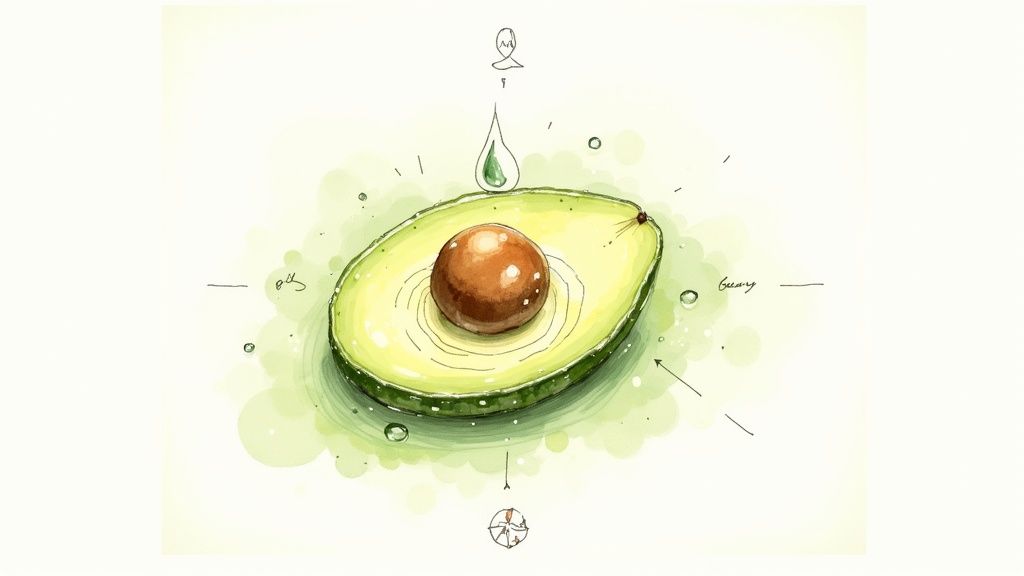
The high concentration of vitamin E in avocados helps protect the skin from oxidative damage caused by the sun and environmental pollutants, a primary cause of premature aging. Furthermore, avocados contain lutein and zeaxanthin, carotenoids that research suggests can improve skin elasticity and hydration. The popularity of avocado toast, championed by celebrity nutritionists and wellness influencers, is backed by the real, tangible benefits this creamy fruit offers for a youthful complexion. Its role is explored further in our guide to anti-aging foods for skin on shopstaye.com.
How to Incorporate Avocado
Consistency is key to leveraging the skin-smoothing benefits of avocado. Aim to include it in your diet several times a week.
- Serving Suggestions: Add a quarter or half of an avocado to your morning smoothie for a creamy texture, mash it onto whole-grain toast with a sprinkle of sea salt, or dice it into salads and grain bowls for a boost of healthy fat.
- Smart Sourcing: Choose avocados that yield slightly to gentle pressure but are not mushy. If you buy firm ones, you can ripen them at home by placing them in a paper bag for a day or two.
- Enhance with Plant-Based Support: The vitamin C in avocado already aids collagen production. To maximize this effect, combine it with a plant-based collagen booster. Blending avocado into a smoothie with your supplement creates a delicious and powerful skin-supporting meal.
6. Green Tea
Green tea is a celebrated beverage in anti-aging routines, making it one of the most effective foods that prevent wrinkles. Its power lies in its high concentration of powerful antioxidants called catechins, particularly epigallocatechin gallate (EGCG). These compounds are exceptionally effective at neutralizing free radicals, unstable molecules that damage skin cells and accelerate the aging process.
The benefits of EGCG extend beyond antioxidant protection. Research has shown that green tea can help protect the skin from UV radiation, a primary cause of wrinkles and sunspots. It works by reducing inflammation and preventing the breakdown of collagen. Studies on women who consumed green tea daily observed significant improvements in skin elasticity and hydration, demonstrating its ability to fortify the skin from within.
How to Incorporate Green Tea
To fully leverage green tea's anti-aging properties, aim for regular consumption and proper preparation. A goal of two to three cups per day is ideal.
- Serving Suggestions: Enjoy a warm cup in the morning to start your day, or an iced green tea in the afternoon. You can also incorporate matcha powder, a concentrated form of green tea, into smoothies or lattes.
- Smart Sourcing: Choose high-quality loose-leaf green tea or matcha for the highest concentration of catechins. Look for Japanese varieties like sencha or gyokuro.
- Enhance with Plant-Based Support: To maximize its effects, drink your green tea with a squeeze of lemon. The vitamin C in lemon enhances the absorption of catechins. Combining this daily habit with a plant-based collagen booster provides your skin with both protective antioxidants and the essential building blocks for firm, youthful structure.
7. Nuts and Seeds (Almonds, Walnuts, Flaxseeds, Chia)
Nuts and seeds are nutrient-dense snacks that serve as excellent foods that prevent wrinkles. They are packed with vitamin E, a potent antioxidant that protects cell membranes from oxidative damage caused by UV rays and pollution. Almonds and sunflower seeds are particularly rich in this skin-defending vitamin. Walnuts and flaxseeds offer a plant-based source of alpha-linolenic acid (ALA), an omega-3 fatty acid that helps maintain the skin’s lipid barrier, keeping it hydrated and firm.
These small but mighty foods also provide essential minerals like zinc and selenium. Zinc is crucial for cell division and repair, playing a vital role in maintaining skin integrity and wound healing. Selenium works alongside vitamin E to bolster the skin's antioxidant defenses. The combination of healthy fats, protein, and micronutrients supports skin cell regeneration and reduces inflammation, contributing to a smoother, more resilient complexion.
How to Incorporate Nuts and Seeds
Adding a variety of nuts and seeds to your daily routine is simple and effective. Aim for about one ounce (a small handful) per day.
- Serving Suggestions: Sprinkle chia or flaxseeds over oatmeal or yogurt, blend almonds into a smoothie for a creamy texture, or top a salad with toasted walnuts for extra crunch and flavor.
- Smart Sourcing: Choose raw, unsalted nuts and seeds to avoid excess sodium and unhealthy oils. Store them in an airtight container in a cool, dark place to prevent their healthy fats from going rancid.
- Enhance with Plant-Based Support: Pair your nutty snack with a plant-based collagen booster. The vitamin E and zinc from the nuts and seeds create a protective environment, while the booster provides the amino acids necessary for your body to build its own new collagen, amplifying the anti-wrinkle benefits.
8. Tomatoes (Fresh and Cooked)
Tomatoes, whether fresh or cooked, are a cornerstone of skin-protective diets and some of the best foods that prevent wrinkles. Their power comes from lycopene, a potent carotenoid antioxidant renowned for its ability to shield skin from UV damage, a primary cause of premature aging. This compound helps neutralize free radicals generated by sun exposure, thereby preserving collagen and skin elasticity.
Interestingly, cooking tomatoes increases the bioavailability of lycopene, making products like tomato sauce, paste, and soup particularly effective. In addition to lycopene, tomatoes provide a healthy dose of vitamin C, a vital nutrient for collagen synthesis, which keeps skin firm and structured. The combined action of these nutrients provides significant photoprotective benefits, which is why populations in Mediterranean regions, known for high tomato consumption, often exhibit healthier, more resilient skin.
How to Incorporate Tomatoes
For optimal results, aim to include tomatoes in your diet daily in various forms.
- Serving Suggestions: Add fresh cherry tomatoes to salads, snack on them raw, or blend them into a morning smoothie. For a lycopene boost, simmer them into a rich pasta sauce or a hearty soup.
- Smart Sourcing: The cooking process breaks down the cell walls of the tomato, making lycopene easier for your body to absorb. Pairing cooked tomatoes with a healthy fat like olive oil further enhances this absorption.
- Enhance with Plant-Based Support: The vitamin C in tomatoes already supports collagen production. You can amplify this effect by pairing your tomato-rich meals with a plant-based collagen booster, ensuring your body has all the necessary building blocks for firm, youthful skin.
9. Water-Rich Foods (Cucumber, Watermelon, Celery)
Hydration is fundamental for skin elasticity, and consuming water-rich foods like cucumber, watermelon, and celery is a highly effective way to hydrate from the inside out. These foods are excellent additions to a diet focused on preventing wrinkles because their high water content helps plump up skin cells, making fine lines less visible. Beyond just water, they deliver a dose of skin-supportive vitamins, minerals, and electrolytes that maintain cellular balance and support a healthy skin barrier.
Proper hydration improves nutrient delivery to skin cells and aids in flushing out toxins, contributing to a clearer, more resilient complexion. Beauty and wellness protocols often emphasize these foods for skin rejuvenation, as studies have shown that increasing total water intake, including through food, can significantly improve skin hydration and function. This internal hydration is crucial for maintaining the skin's supple, smooth texture.
How to Incorporate Water-Rich Foods
To see a visible difference in your skin's plumpness, aim for daily consumption of these hydrating powerhouses.
- Serving Suggestions: Add sliced cucumber to your water or salads, snack on watermelon chunks for a refreshing treat, or use celery sticks with hummus for a nutrient-dense snack.
- Nutrient Retention: Eat these foods raw and, when possible, with the skin on (like cucumbers) to maximize your intake of fiber and nutrients. Choosing organic can also help minimize pesticide residue.
- Balanced Meals: Combine these foods with healthy fats and proteins, such as adding avocado to a cucumber salad or pairing celery with almond butter. This balanced approach helps with satiety and provides a broader range of nutrients for comprehensive skin health. Incorporating a plant-based collagen booster can further enhance your skin's structural integrity.
10. Bell Peppers (Red, Yellow, Orange)
Often overlooked in favor of citrus fruits, bell peppers are actually one of the richest sources of vitamin C, a non-negotiable nutrient for youthful skin. Red, yellow, and orange bell peppers are packed with this powerful antioxidant, which is essential for synthesizing collagen, the protein that provides skin with its structure and elasticity. Without adequate vitamin C, the body cannot effectively produce or maintain its collagen framework, leading to sagging skin and the formation of wrinkles.
Beyond their vitamin C content, these colorful vegetables are also loaded with carotenoids. These plant pigments, particularly beta-carotene, have potent anti-inflammatory and antioxidant properties. They help protect skin cells from sun damage and environmental pollutants, two major contributors to premature aging. Including bell peppers in your diet is a direct way to supply your skin with the building blocks and protectors it needs, making them one of the top foods that prevent wrinkles.
How to Incorporate Bell Peppers
To maximize their anti-aging benefits, aim to include bell peppers in your diet daily, focusing on raw or lightly cooked preparations to preserve their delicate nutrients.
- Serving Suggestions: Slice them into sticks and enjoy with hummus for a crunchy snack, chop them into salads for a burst of color and nutrients, or lightly sauté them in stir-fries.
- Smart Sourcing: Choose brightly colored, firm peppers. Red bell peppers generally have the highest concentration of both vitamin C and beta-carotene compared to their yellow and orange counterparts.
- Enhance with Plant-Based Support: The vitamin C in bell peppers provides the perfect foundation for collagen production. To maximize this process, pair them with a plant-based collagen booster supplement. This synergy ensures your body has all the necessary amino acids and cofactors for optimal skin repair and resilience. Explore more on why this is the best vitamin C strategy for collagen production.
Top 10 Anti-Wrinkle Foods Comparison
| Item | Implementation complexity 🔄 (prep & handling) | Resource requirements ⚡ (cost & availability) | Expected outcomes ⭐ / 📊 (effectiveness & evidence) | Ideal use cases 💡 |
|---|---|---|---|---|
| Fatty Fish (Salmon, Sardines, Mackerel) | Moderate — requires cooking, refrigeration, 2–3 servings/week | Moderate–High cost; refrigeration; choose low‑mercury sources | High ⭐⭐⭐⭐ — improves elasticity, reduces inflammation; well‑supported by studies | Anti‑inflammatory, collagen support; weekly protein source |
| Berries (Blueberries, Strawberries, Raspberries) | Low — ready to eat; freezing extends shelf life | Low–Moderate; seasonal variations; buy frozen/organic as needed | High ⭐⭐⭐⭐ — strong antioxidant/collagen support (vitamin C, anthocyanins) | Daily antioxidant boost; smoothies, snacks, topping foods |
| Dark Leafy Greens (Spinach, Kale, Swiss Chard) | Low — wash/raw or lightly cook; eat 1–2 servings/day | Low cost; widely available; minimal equipment | Moderate–High ⭐⭐⭐ — supports collagen, lutein protects vs. UV | Regular salads/smoothies for micronutrient density |
| Dark Chocolate (70%+ Cocoa) | Low — small portion daily (10–15g) | Low–Moderate; quality varies; calorie dense | Moderate ⭐⭐⭐ — improves microcirculation and hydration; some evidence | Antioxidant treat; combine with berries for synergy |
| Avocado | Low — eat raw; half daily recommended | Moderate cost; seasonal; environmental considerations | Moderate ⭐⭐⭐ — provides healthy fats, vitamin E/C for barrier and hydration | Daily healthy‑fat source; spreads, salads, smoothies |
| Green Tea | Low — brew 2–3 cups/day; consistent intake required | Low cost; widely available; minimal prep | Moderate–High ⭐⭐⭐⭐ — EGCG catechins improve elasticity and photoprotection (clinical support) | Daily beverage for photoprotection and anti‑inflammatory effects |
| Nuts & Seeds (Almonds, Walnuts, Flax, Chia) | Low — store properly; portion control advised | Moderate cost; long shelf life if stored cool | Moderate ⭐⭐⭐ — supplies EFAs, vitamin E, zinc for repair and barrier | Portable nutrient‑dense snacks; meal add‑ins |
| Tomatoes (Fresh & Cooked) | Low — eat raw or cook with fat for lycopene bioavailability | Low cost; widely available; best when cooked with oil | Moderate ⭐⭐⭐ — lycopene offers photoprotection; cooked forms more bioavailable | Sauces, salads, Mediterranean‑style meals |
| Water‑Rich Foods (Cucumber, Watermelon, Celery) | Very low — eat fresh; frequent consumption needed | Low cost; highly perishable | Moderate ⭐⭐⭐ — rapid improvement in hydration and skin plumpness | Hydration protocols; snacks between meals |
| Bell Peppers (Red, Yellow, Orange) | Low — wash and eat raw or lightly cooked | Low–Moderate cost; widely available | High ⭐⭐⭐⭐ — exceptional vitamin C for collagen synthesis; evidence supports improved texture | Vitamin C boost; salads, snacks, sautéed side |
Your Plate, Your Power: Creating a Lasting Anti-Wrinkle Strategy
Navigating the world of skincare can feel overwhelming, but as we've explored, one of the most powerful tools for maintaining youthful, resilient skin is already in your kitchen. The journey to a smoother complexion begins on your plate. By consciously incorporating the foods that prevent wrinkles detailed in this guide, you are not just eating; you are actively building a defense system for your skin at a cellular level.
From the omega-3 fatty acids in salmon that fortify your skin's lipid barrier to the potent antioxidants in dark berries that neutralize free radicals, each food offers a unique, scientifically-backed mechanism for promoting skin health. Tomatoes provide lycopene to shield against UV damage, while the vitamin C in bell peppers and leafy greens serves as a non-negotiable co-factor for collagen synthesis. This isn't about a restrictive diet; it's about making strategic, delicious additions that work synergistically to protect and repair.
Turning Knowledge into Action: Your Next Steps
Mastering this approach means shifting your perspective from passively hoping for good skin to actively creating it. The true value lies in consistency. A single superfood meal is beneficial, but a sustained habit of nutrient-dense eating builds a resilient foundation that lasts for years.
To start integrating these principles immediately, follow this simple, actionable plan:
- Audit Your Plate: For your next meal, identify if you have included a source of healthy fats (like avocado or nuts), a powerful antioxidant (like berries or dark chocolate), and a hydration hero (like cucumber or watermelon).
- Plan One "Skin-Smart" Meal a Day: Commit to making one meal each day focused entirely on these skin-supporting ingredients. A spinach salad topped with salmon, walnuts, and sliced bell peppers is a perfect example.
- Hydrate with Purpose: Swap a sugary beverage for a refreshing glass of green tea. This simple change provides a dual benefit of hydration and a potent dose of EGCG, an antioxidant known for its protective effects on skin.
A Holistic Strategy for Lasting Radiance
Remember, while your diet is a cornerstone, it is most effective as part of a comprehensive anti-aging strategy. The power of these foods that prevent wrinkles is magnified when combined with other essential habits. Prioritizing sun protection, ensuring you get adequate sleep for cellular repair, and managing stress are all critical pieces of the puzzle.
By embracing this inside-out philosophy, you are investing in more than just the absence of wrinkles. You are cultivating overall vitality, enhancing your body’s natural regenerative processes, and building a sustainable lifestyle that radiates health. The power to influence how your skin ages is truly in your hands, starting with your very next bite.
Ready to amplify your dietary efforts and give your body the precise building blocks it needs for collagen production? Staye offers a clean, plant-based collagen booster formulated with the key amino acids and co-factors discussed throughout this article. Visit Staye to learn how you can support your skin’s structure from within and take your anti-wrinkle strategy to the next level.