

When joint pain becomes a constant, unwelcome companion, it's easy to feel like you're out of options. But you have more power than you think. The most effective ways to manage joint pain naturally don't come in a bottle—they're built on sustainable lifestyle habits that reduce inflammation and support your joints from the inside out. This guide will walk you through the proven strategies, from your diet to your daily movement, that can help you get back in control.
Getting to the Root of Joint Pain
Before we jump into solutions, let's talk about the "why." Think of your joint pain as a fire alarm blaring. It's a signal that something is wrong, and more often than not, the fire is inflammation. While this immune response is normally a good thing, it becomes a problem when it’s chronic, leading to the stiffness, swelling, and gradual breakdown of cartilage—the essential cushion that keeps your joints moving smoothly.
Conditions like osteoarthritis are often blamed on simple "wear and tear," but inflammation is a key driver that makes things worse. For millions of us, this process can turn everyday movements into a painful ordeal. The good news? Many natural approaches directly target this inflammation.
The Foundation of Natural Relief
Tackling joint pain naturally isn't about finding one magic bullet. It's about building a holistic strategy with a few core pillars. By focusing on the root causes, you can achieve far more lasting relief than just masking the symptoms.
The whole approach boils down to these key principles:
- Cooling Down Inflammation: Calming your body’s inflammatory response through smart food and lifestyle choices.
- Building Up Your Support System: Strengthening the muscles around your joints to give them stability and take off the strain.
- Keeping Things Moving: Gently moving your joints helps nourish the cartilage and maintain your full range of motion.
- Lightening the Load: Reducing the mechanical stress on weight-bearing joints like your knees and hips.
Here's a powerful way to think about it: for every single pound of body weight you lose, you take four pounds of pressure off your knees. That simple fact shows just how much weight management can reduce the mechanical stress that makes joint pain worse.
This guide will give you the actionable steps you need to bring these pillars to life. From anti-inflammatory foods that put out the fire from within to low-impact exercises that build you up without breaking you down, each remedy has a specific job to do. The goal is to create a personalized, sustainable plan that doesn't just manage pain but actively improves your joint health for good.
Your Foundation for Lasting Joint Relief
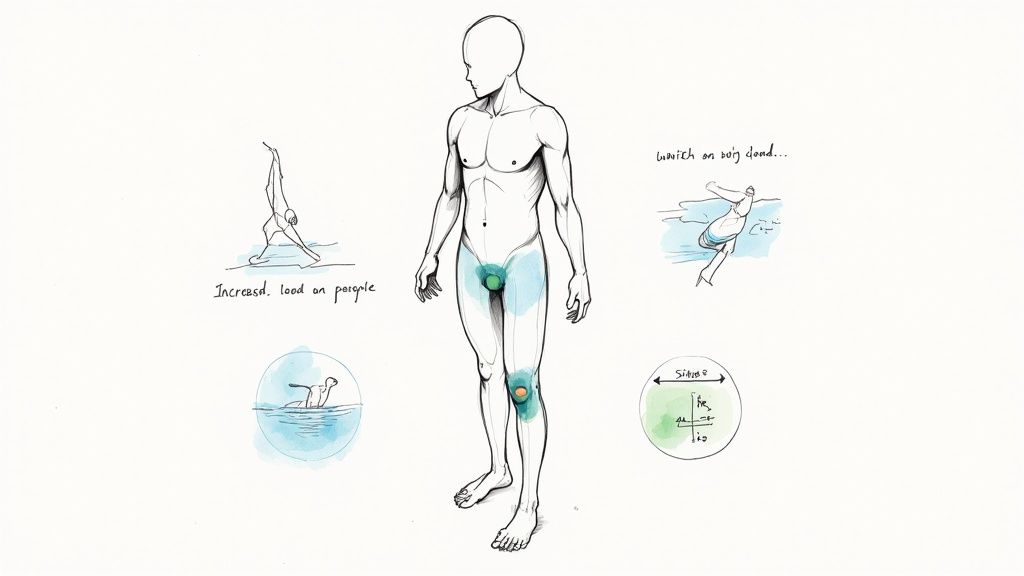
Before we even get into specific foods or supplements, let's talk about the two most powerful natural remedies for joint pain: movement and managing your body’s workload.
Think of your body as a machine. If you let it sit idle for too long or consistently overload it, key parts—your joints—are going to start showing some serious strain. Tackling these foundational habits is non-negotiable if you want real, long-term relief.
When your joints hurt, the last thing you probably feel like doing is getting up and moving. But gentle, consistent exercise is one of the best things for them.
Movement is like lubrication for your joints. It helps your body produce synovial fluid, the natural oil that nourishes cartilage and keeps everything moving smoothly. It also builds up the muscles around your joints, creating a strong, natural support system that absorbs shock and keeps you stable.
Embrace Low-Impact Movement
The trick is to choose activities that build you up without beating you down. High-impact exercises like running on hard pavement can be jarring, but there are so many other options that offer incredible benefits.
- Swimming and Water Aerobics: The water’s buoyancy is a game-changer. It supports your body weight, taking all that pressure off your joints while you build strength and flexibility.
- Cycling: Whether you're outside or on a stationary bike, cycling is a fantastic low-impact cardio workout. It’s especially great for strengthening the leg muscles that support your knees and hips.
- Tai Chi and Yoga: These mind-body practices are amazing for joint health. They combine slow, deliberate movements with stretching and balancing, which can improve your range of motion, ease stiffness, and even dial down stress.
Just start slow. Seriously. Aim for just 15-20 minutes a day and slowly work your way up as you feel stronger and more confident. The goal isn't to run a marathon; it's to make gentle movement a non-negotiable part of your daily routine.
Lighten the Load on Your Joints
The second pillar of this foundation is managing your weight. This isn't about how you look; it's pure physics. Your weight-bearing joints, especially your knees and hips, act as the shock absorbers for every single step you take.
Carrying extra body weight multiplies the force they have to deal with every day.
Here's a powerful way to think about it: for every pound of excess weight you carry, you're putting about four extra pounds of pressure on your knees. Losing just ten pounds can feel like taking a forty-pound backpack off your joints.
This reduction in mechanical stress can make a huge difference in your pain levels, slow down cartilage wear, and improve your overall mobility. It’s one of the most direct ways to reduce the daily wear and tear on your body.
Of course, combining this with a diet that supports healthy tissues is key. Nutrients like vitamin C, for instance, are vital for keeping your joint cartilage strong. You can learn more about the best vitamin C for collagen production and how it fits into your joint health strategy.
By focusing on these two areas—gentle exercise and healthy weight management—you create a strong base for everything else. You’re not just trying another remedy; you're turning your daily habits into powerful tools for relief and resilience.
Eating to Fight Inflammation and Nourish Joints

When it comes to managing joint pain naturally, your plate is one of the most powerful tools you have. The food you eat can either fuel the fire of chronic inflammation or help put it out, meal by meal.
Think of it like this: inflammation is a small, smoldering fire inside your joints. Processed sugars, refined carbs, and unhealthy fats act like kindling, making the flames flare up. On the other hand, vibrant, nutrient-dense whole foods are like water, calming the irritation and protecting your precious cartilage.
Adopting an anti-inflammatory diet isn’t about harsh restrictions. It's about making smart, delicious swaps that nourish your joints from the inside out and turn every meal into an opportunity for relief.
Stocking Your Anti-Inflammatory Kitchen
Building a joint-friendly diet starts with your grocery list. The goal is to fill your cart with colorful, unprocessed foods packed with the specific compounds that actively fight inflammation.
Here are the key players you'll want to prioritize:
- Fatty Fish: Salmon, mackerel, and sardines are swimming in omega-3 fatty acids. These healthy fats are absolute superstars at dialing down inflammatory compounds in the body.
- Colorful Berries & Fruits: Blueberries, strawberries, cherries, and oranges are loaded with antioxidants that neutralize the damaging free radicals contributing to joint breakdown.
- Leafy Greens: Spinach, kale, and other greens are nutritional powerhouses, delivering vitamins and minerals that protect your cells from stress.
- Nuts & Seeds: Walnuts, almonds, and flaxseeds offer a fantastic plant-based source of omega-3s and antioxidants.
- Cruciferous Veggies: Broccoli and cauliflower contain sulforaphane, a unique compound shown to help slow the cartilage damage linked to osteoarthritis.
By making these foods the foundation of your diet, you create an internal environment that’s far less prone to chronic inflammation. You’re giving your joints a real chance to heal and feel better.
Your Anti-Inflammatory Grocery List
To make things simple, here’s a quick-reference guide. Use this table to help you make smarter choices at the grocery store, focusing on foods that cool inflammation while avoiding those that fan the flames.
| Food Category | Foods to Eat Freely | Foods to Limit or Avoid |
|---|---|---|
| Proteins | Salmon, mackerel, sardines, chicken breast, beans, lentils | Processed meats (sausages, hot dogs), fried chicken, high-fat red meat |
| Fruits | Berries, cherries, oranges, apples, pineapple | Fruit juices with added sugar, canned fruit in heavy syrup |
| Vegetables | Leafy greens (spinach, kale), broccoli, cauliflower, bell peppers | French fries, vegetables prepared in creamy or cheesy sauces |
| Grains | Quinoa, brown rice, oats, whole-wheat bread | White bread, pastries, white pasta, sugary cereals |
| Fats & Oils | Olive oil, avocados, nuts (walnuts, almonds), seeds (chia, flax) | Margarine, shortening, vegetable oil, anything with trans fats |
| Drinks | Water, green tea, herbal teas | Soda, sweetened iced tea, sugary coffee drinks, excessive alcohol |
This isn't about perfection, but progress. Every time you choose a food from the "Eat Freely" column over one from the "Limit or Avoid" column, you're making a deposit in your joint health bank.
Identifying Inflammatory Culprits
Just as important as adding the good stuff is knowing what to sidestep. Many staples of the modern Western diet are known to promote inflammation, which can make your joint pain feel so much worse.
You wouldn't keep adding fuel to a fire you're trying to put out, right? Removing pro-inflammatory foods is like cutting off that fuel supply, making it much easier for the anti-inflammatory foods to do their job.
Try to be mindful of these common offenders:
- Sugary Drinks & Snacks: A high sugar intake can trigger the release of inflammatory messengers in your body.
- Refined Carbohydrates: Think white bread, pastries, and most packaged snacks. They can spike your blood sugar and fan the flames of inflammation.
- Fried Foods: Anything deep-fried is typically high in unhealthy fats known to fuel the inflammatory process.
- Processed Meats: Items like sausages and hot dogs have been directly linked to higher levels of inflammation markers.
Making these changes isn’t just about pain, either; it’s crucial for building strong connective tissues. To learn more, check out our guide on foods that support collagen production, which dives into the specific nutrients your body needs for healthy cartilage.
Swapping a soda for a glass of water or choosing steamed broccoli over fries might seem small, but over time, these simple choices add up to powerful, lasting relief.
Using Herbal Supplements for Joint Support

While a solid diet and regular movement are the cornerstones of happy joints, certain herbs can offer powerful, targeted support. Think of them as your natural allies in the fight against stiffness and pain. These plant-based remedies aren’t new—they’ve been trusted for centuries, and modern science is now catching up to confirm their ability to calm inflammation.
Stepping into the supplement aisle can be dizzying, but a few key herbs always seem to rise to the top. It helps to imagine these supplements as a specialized crew, brought in to back up your body's own inflammation-fighting team. They work by interrupting specific inflammatory signals, kind of like a traffic controller rerouting cars to prevent a major jam-up in your joints.
It’s no surprise that the demand for natural joint support is skyrocketing. The market for plant-derived analgesics like turmeric and ginger is valued at around $4.0 billion in 2024 and is expected to nearly double to $7.87 billion by 2034. This shift shows a clear global preference for effective, natural options with fewer side effects.
The Power Trio of Joint Herbs
When it comes to herbal joint relief, three names consistently steal the spotlight: turmeric, boswellia, and ginger. Each works a little differently, but they all share the same goal—dialing down the inflammatory response that fuels joint pain.
- Turmeric (Curcumin): That brilliant yellow spice in your cabinet? It contains an active compound called curcumin, which is a true anti-inflammatory superstar. Curcumin gets to work by blocking the enzymes and proteins that kickstart the inflammatory process, helping to cool down hot, irritated joints.
- Boswellia Serrata: Also known as Indian frankincense, this herb contains unique acids that stop an enzyme responsible for creating inflammatory molecules that can attack joint tissues. It’s a fantastic partner for turmeric.
- Ginger: A close cousin of turmeric, ginger brings its own potent compounds called gingerols and shogaols to the table. These have powerful anti-inflammatory and antioxidant properties, helping to reduce both pain and the oxidative stress that can damage joints over time.
It's Not What You Take, It's What You Absorb
Just swallowing a capsule isn’t enough. Your body has to actually be able to absorb and use the active ingredients inside. This is called bioavailability, and it's a huge deal for curcumin, which is notoriously tough for the body to absorb on its own.
Think of it like this: taking standard curcumin is like trying to water your garden with a leaky hose. Most of the good stuff gets lost before it can ever reach the plants. Enhancing bioavailability is like patching those leaks so the active compounds can get right where they need to go.
To truly get your money's worth, look for formulas designed for better absorption. The most well-known and effective pairing is black pepper extract (piperine). It’s been shown to boost curcumin’s bioavailability by an incredible 2,000%. That simple addition makes all the difference.
How to Pick a Quality Supplement
Not all supplements are created equal. To make sure you’re getting a product that’s both safe and effective, you need to become a bit of a label detective. A top-notch formula often includes more than just the herbs themselves.
Here’s what to look for on the bottle:
- Standardized Extracts: This ensures potency. Look for language like "standardized to 95% curcuminoids" to know you're getting a consistent, powerful dose every time.
- Bioavailability Enhancers: Check for piperine (black pepper extract) or other technologies designed to help your body absorb the good stuff.
- Third-Party Testing: Seals from organizations like NSF or USP are a great sign. It means an independent lab has verified the product for purity and potency.
- Supportive Ingredients: Many formulas will also include amino acids and minerals, which are the essential building blocks for healthy cartilage and connective tissue. To learn more, check out our guide on how plant-based collagen supplements help your body build its own.
And of course, always have a chat with your doctor before adding any new supplement to your routine. They can help you find the right dose and make sure it plays nicely with any other medications you’re taking, making it a safe and smart part of your joint health plan.
Targeting Pain with Topical and Physical Therapies
Sometimes, pain is concentrated in one spot—that one knee that always acts up or a shoulder that just won’t cooperate. For this kind of localized pain, a targeted approach can bring relief right where you need it most. While things you take internally work on your whole system, topical and physical therapies are like a special ops team, going straight to the source.
The idea behind them is pretty simple: either interrupt the pain signals before they reach your brain or improve the conditions in the area to help it heal. Think of a topical cream as a local anesthetic for your nerve endings, while a great massage is like calling in a crew to boost blood flow and loosen up the tight muscles that are strangling the joint.
It’s no surprise these options are incredibly popular. The market for topical pain relief products is on track to hit $11.10 billion globally by 2025, and over-the-counter options make up a massive 54.3% of that. People are clearly looking for effective, non-invasive ways to handle their own joint pain. You can read more about the booming topical pain relief market and its growth.
Natural Creams That Calm Pain Signals
Certain natural compounds, when you rub them right onto your skin, can work wonders on an aching joint. They don’t just distract you from the pain; they actually interact with the nerve fibers in your skin to change how your brain registers the discomfort.
Two of the most popular and well-studied options are:
- Capsaicin Cream: This stuff comes from chili peppers, and it’s pretty fascinating. When you first apply it, you’ll feel a warming sensation. That heat actually desensitizes the local nerve receptors, making them less able to send pain signals up to your brain.
- Arnica Gels and Creams: Made from the Arnica montana flower, this has been a go-to remedy for centuries to help with bruising, swelling, and pain. It's thought to have anti-inflammatory properties that help soothe the tissues just beneath the skin.
With any topical treatment, the key is consistency. Using it regularly, as directed, lets the active ingredients build up in the area, which can lead to more lasting relief.
Hands-On Therapies for Deeper Relief
Beyond what you can get from a tube, hands-on physical therapies offer a completely different level of targeted treatment. These methods can improve blood flow, release muscle tension that puts extra stress on your joints, and even kickstart your body's own pain-relief systems.
Imagine the area around a painful joint is a huge traffic jam. Tight muscles, poor circulation, and inflammation create a bottleneck. Healing nutrients can't get in, and waste products can't get out. Physical therapies help clear that congestion.
It’s worth exploring these proven options with a qualified professional:
- Acupuncture: In this ancient practice, a practitioner places hair-thin needles at specific points on the body. The goal is to stimulate nerves and trigger the release of endorphins—your body’s natural painkillers. The relief can sometimes last for weeks after a session.
- Massage Therapy: A good massage therapist can work wonders on the muscles and connective tissues around a sore joint. This doesn't just ease stiffness and improve your range of motion; it also revs up circulation, bringing more oxygen-rich blood to the area to help it heal.
- Hot and Cold Applications: This is one of the simplest and most effective things you can do at home. Applying heat (like a warm compress) helps relax tight muscles and get the blood flowing. Applying cold (like an ice pack) numbs the area and is fantastic for reducing acute inflammation and swelling. Alternating between the two can be a game-changer for managing flare-ups.
Building Your Personalized Joint Health Plan
Real success in managing joint pain isn't about finding a single magic bullet. It’s about building a personalized strategy that actually fits your body and your life. Think of it like putting together your own joint health toolkit, hand-picking the things—from food to movement to supplements—that give you the most relief.
This isn't a race to perfection. It's about small, consistent efforts that build on each other day after day. The goal is to create a sustainable routine that feels empowering, not like another chore, and gives your joints the support they need to thrive.
Creating Your Daily Action Plan
A great place to start is with a simple daily framework. This is how you turn good intentions into solid habits. Your plan can be as easy as checking off a few key actions each day, pulling from the natural remedies we've talked about.
Here’s a sample routine you can make your own:
- Morning Movement: Kick off your day with 15 minutes of gentle stretching or yoga. This helps ease that morning stiffness and gets your joints lubricated for the day ahead.
- Anti-Inflammatory Meals: Try to weave at least one joint-friendly food into every meal. Maybe it's berries in your breakfast or a side of leafy greens with dinner.
- Supplement Timing: Take your joint support supplements, like Staye's formula designed to fuel your body’s own collagen production, with a meal to help with absorption. You can learn more about our plant-based approach on shopstaye.com.
- Midday Mobility: If you have a desk job, get up and walk for five minutes every hour. It’s a simple trick to keep your joints from locking up.
A simple structure like this gives you a foundation for proactive care. The real key is finding a mix of natural remedies for joint pain that you can actually stick with.
Knowing When to See a Clinician
While these natural strategies are incredibly powerful, they’re meant to work with, not replace, professional medical advice. It’s so important to know when self-care isn't cutting it and it's time to check in with your doctor.
Think of natural remedies as your first line of defense and your long-term support system. Your healthcare provider is your expert guide, helping you navigate flare-ups and make smart decisions when your symptoms change.
Make an appointment with your doctor if you start to experience any of these red flags:
- Pain that becomes severe, sharp, or suddenly gets a lot worse.
- Joint swelling, redness, or warmth that just won’t go away.
- Pain that starts messing with your sleep or your ability to do daily activities.
- Symptoms that hang around for more than a few weeks without getting any better.
Working with your clinician makes sure your strategy is both complete and safe. When you combine your daily proactive plan with professional guidance, you create the most effective, long-term approach to managing your joint health.
A Few Common Questions About Natural Joint Pain Relief
Dipping your toes into the world of natural remedies can bring up a lot of questions. I get it. Let's walk through some of the most common ones so you can feel confident in your approach.
How Long Until I See Results?
This is probably the biggest question people have, and the honest answer is: patience is part of the process. Natural remedies aren't like popping a painkiller for instant, temporary relief. Instead, they work deeper by tackling the root causes—things like chronic inflammation or a lack of specific nutrients—and that takes time.
You might start feeling subtle shifts from a good anti-inflammatory diet in just a few weeks. When it comes to herbal supplements like turmeric or boswellia, you're usually looking at 4 to 8 weeks of consistent use to really notice their cumulative benefits. Think of it less like a quick fix and more like building a strong foundation for long-term, sustainable joint health.
Can I Combine Different Natural Remedies?
Absolutely. In fact, that's often where the real magic happens. It’s like putting together a team where every player has a unique and important role.
A holistic strategy that brings together an anti-inflammatory diet, gentle daily exercise, and a targeted supplement can create a powerful synergy. The remedies support and enhance each other, often leading to better results than any single approach could achieve alone.
The key is to be smart about it, especially when you're mixing supplements. It's always a good idea to chat with your doctor or a healthcare professional about your full routine. They can make sure everything you're taking works together safely and effectively, without any surprise interactions.
Are Natural Remedies a Replacement for Medication?
For most people, natural remedies are best seen as a powerful partner to conventional medicine, not necessarily a full-on replacement. They can play a huge role in reducing your reliance on medication, sometimes allowing for lower doses and helping you manage side effects.
Think of it as an integrated plan. Your daily natural habits are there to support your overall joint health from the ground up, while your doctor is there to provide expert guidance and targeted medical treatments when they're needed. You should never stop taking a prescribed medication without your doctor's okay.
The best strategies are almost always collaborative, where natural wellness and medical care work hand-in-hand to keep you moving comfortably.
Ready to give your body the plant-based building blocks it needs for healthy joints and connective tissue? Staye offers a clean, effective way to fuel your body's natural collagen production from within. Discover the difference at https://shopstaye.com.